
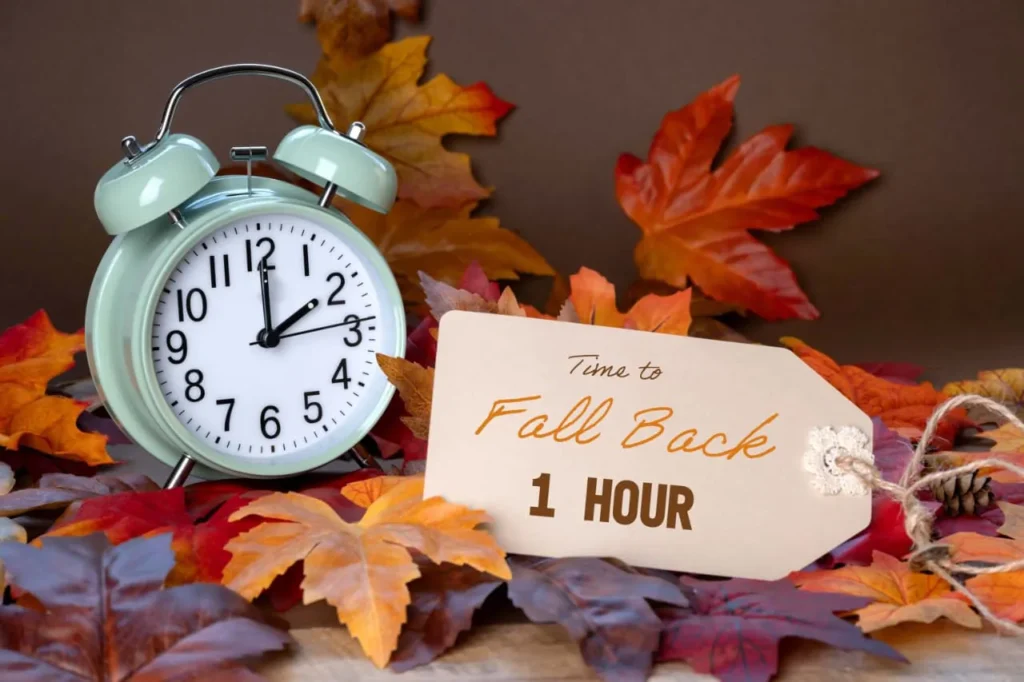
🌞 What Is Daylight Saving Time (DST)?
Daylight Saving Time is the practice of moving the clock forward by one hour in spring (“spring forward”) and back by one hour in fall (“fall back”). The goal is to make better use of natural daylight during the longer days of summer — giving people more daylight in the evenings and less in the mornings.
🕒 When It Happens
In most parts of the U.S. and Canada, DST follows this schedule:
- Starts: Second Sunday in March — Clocks move forward one hour at 2:00 AM → becomes 3:00 AM
- Ends: First Sunday in November — Clocks move back one hour at 2:00 AM → becomes 1:00 AM
Example for 2025:
- Starts → March 9, 2025
- Ends → November 2, 2025
🌎 Where It’s Observed
- United States: Observed everywhere except Hawaii and most of Arizona.
- Canada: Most provinces observe it, except parts of Saskatchewan and some regions in Nunavut and British Columbia.
- Mexico: Mostly ended DST in 2022, except in some northern border cities aligned with U.S. schedules.
📜 Why It Exists
DST was first introduced during World War I (and later in WWII) to conserve energy by reducing the need for artificial lighting in the evenings. Today, its purpose is more about lifestyle and convenience — longer daylight hours for outdoor activities, retail, and recreation.
⚖️ Debates and Controversies
- Supporters say it saves energy, boosts the economy, and improves mood.
- Critics argue it disrupts sleep patterns, has minimal energy savings today, and can cause health issues.
- Some regions are pushing to make DST permanent (so clocks would never change).
- For example, the U.S. Senate passed the Sunshine Protection Act in 2022, but it hasn’t become law yet.
🧭 Fun Fact
The term “Daylight Saving Time” doesn’t include an “s” at the end of “Saving” — though people often say “Daylight Savings Time.” Both are widely understood.About the Author

Sanjay Kumar Dalai – North America
Founding Member, GOP | GOV | GOF
Email: Sanjaydalai80@gmail.com
Phone: +1-469-203-7957