

Nairobi, Kenya: In a historic move toward gender-responsive governance and workplace wellbeing, the Nairobi City County Government has approved two days of paid menstrual leave per month for all women employees. The decision was formally adopted during the 74th County Executive Committee (CEC) meeting, chaired by His Excellency Governor Johnson Sakaja.
The policy traces its roots to global advocacy led by Ranjeeta Priyadarshini, who brought the issue of paid period leave to international attention at the United Nations Civil Society Conference (UNCSC) held in Nairobi on 9–10 May 2024. Despite facing online trolling and criticism for raising menstrual rights on a global platform, Ranjeeta remained steadfast, continuing her advocacy with resilience and purpose.
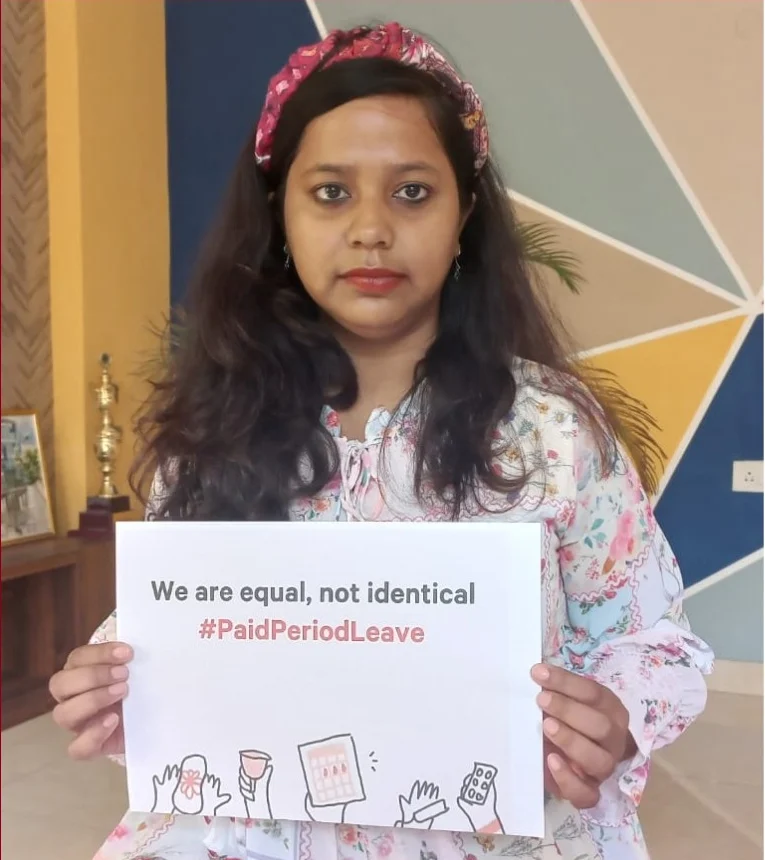
Following the announcement, Ranjeeta Priyadarshini expressed her heartfelt gratitude to Governor Johnson Sakaja and the Nairobi City County Government for recognizing menstrual health as a workplace issue and for taking decisive action by implementing paid period leave for women employees. In response, Governor Johnson Sakaja formally acknowledged Ranjeeta’s contribution to advancing the policy conversation.
Further strengthening the movement, Dr. Ekrah Ndungu, CEO of the German Institute of Professional Studies, Kenya, emerged as a key early supporter. Dr. Ndungu met Ranjeeta Priyadarshini on 26 January 2024 and became the first leader in Kenya to openly support and implement paid period leave, setting an important institutional precedent ahead of the county’s decision.
Ranjeeta Priyadarshini, originally from Odisha, India, is widely respected for her calm determination and unwavering commitment to justice. Rather than using her presence at the United Nations for personal recognition, she chose to speak for millions of working women who silently endure menstrual discomfort without formal workplace support. Her sustained advocacy helped bring menstrual health into mainstream policy conversations, ultimately contributing to Nairobi’s landmark reform.
Women employees, civil society organizations, and rights groups across Nairobi have welcomed the move, calling it a compassionate step toward dignity, health, and gender-sensitive governance, and a model for other governments worldwide.